
Quick sale homes refer to properties that are sold in a relatively short time frame, often under circumstances that necessitate a fast transaction. This can occur for various reasons, including financial distress, relocation for a job, or personal circumstances that require immediate cash flow. The term “quick sale” can encompass a range of scenarios, from traditional sales that close in a matter of weeks to more urgent situations where sellers may accept lower offers to expedite the process.
Understanding the nuances of quick sale homes is essential for both sellers and buyers, as it shapes the strategies and expectations involved in the transaction. The market for quick sale homes has evolved significantly over the years, influenced by economic conditions, housing demand, and technological advancements. In many cases, sellers may opt for a quick sale to avoid the prolonged stress of traditional home selling processes, which can involve extensive showings, negotiations, and waiting periods.
Buyers, on the other hand, may be drawn to quick sale homes due to the potential for bargains or investment opportunities. However, it is crucial to recognize that quick sales often come with their own set of challenges and considerations that differ from standard real estate transactions.
One of the primary advantages of selling your home quickly is the ability to access cash in a timely manner. For homeowners facing financial difficulties, such as job loss or medical expenses, a quick sale can provide much-needed liquidity. This immediate influx of cash can help alleviate financial burdens and allow sellers to move forward with their lives without the weight of an unsold property hanging over them.
Additionally, quick sales can be particularly beneficial for those who are relocating for work or personal reasons, as they can facilitate a smoother transition to a new location. Another significant advantage is the reduction in holding costs associated with maintaining a property. When a home sits on the market for an extended period, sellers incur ongoing expenses such as mortgage payments, property taxes, insurance, and maintenance costs.
By opting for a quick sale, homeowners can minimize these financial obligations and avoid the stress of managing an unsold property. Furthermore, quick sales often involve fewer showings and open houses, which can be time-consuming and disruptive to daily life. This streamlined process allows sellers to focus on their next steps rather than being tied down by the demands of a lengthy selling process.

Several factors can influence the speed at which a home sells in the real estate market. One of the most critical elements is pricing strategy. Homes that are priced competitively tend to attract more interest from potential buyers, leading to quicker offers.
Sellers must conduct thorough market research to determine an appropriate price point that reflects current market conditions while also considering the urgency of their situation. Overpricing a home can lead to extended time on the market, while underpricing may result in missed opportunities for maximizing profit. The condition of the property also plays a significant role in its marketability.
Homes that are well-maintained and visually appealing are more likely to attract buyers quickly. Sellers should consider making necessary repairs or improvements before listing their homes to enhance their appeal. Curb appeal is particularly important; first impressions matter, and potential buyers often make snap judgments based on the exterior appearance of a property.
Additionally, factors such as location, neighborhood amenities, and local market trends can significantly impact how quickly a home sells.
To expedite the selling process, homeowners should consider implementing several effective strategies. First and foremost, decluttering and staging the home can make a substantial difference in attracting buyers. A clean and organized space allows potential buyers to envision themselves living in the home, making it more appealing.
Professional staging services can also enhance the property’s aesthetic appeal and create an inviting atmosphere that encourages offers. Another crucial tip is to leverage online marketing tools effectively. In today’s digital age, most homebuyers begin their search online.
High-quality photographs and virtual tours can showcase the property’s best features and draw in potential buyers. Utilizing social media platforms and real estate websites can significantly increase visibility and reach a broader audience. Additionally, working with a real estate agent who understands the local market can provide valuable insights and help craft an effective marketing strategy tailored to attract quick offers.
Identifying the right buyer for a quick sale home involves understanding the motivations and needs of potential purchasers. Investors often seek properties that can be acquired at a lower price point for rental or resale purposes. These buyers may be more willing to close quickly since they typically have cash on hand or pre-approved financing.
On the other hand, traditional homebuyers may be looking for their forever home but could also be motivated by urgency due to life changes such as marriage or growing families. Networking within local real estate communities can also help sellers connect with potential buyers who are actively seeking quick sale opportunities. Hosting open houses or private showings can create buzz around the property and attract interested parties.
Additionally, sellers should be prepared to negotiate terms that may appeal to buyers looking for a swift transaction, such as flexible closing dates or including certain furnishings in the sale.
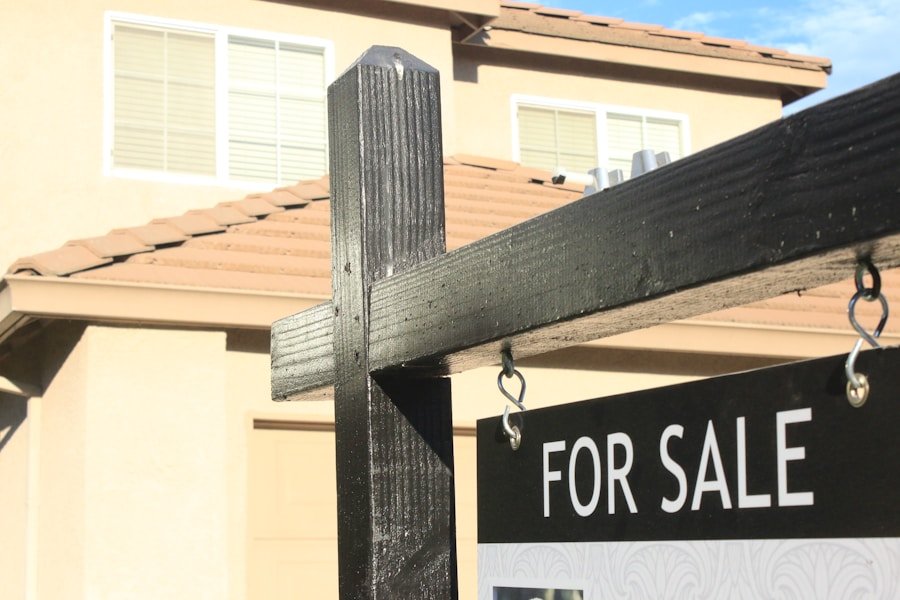
In their eagerness to sell quickly, some homeowners may overlook essential checks such as verifying financing or assessing the buyer’s ability to close on time. This oversight can lead to delays or even failed transactions if buyers are unable to secure funding.
Quick sales often involve unique contracts or agreements that differ from standard transactions. Sellers should ensure they understand all terms and conditions before signing any documents.
Engaging a real estate attorney or professional can help navigate these complexities and protect sellers’ interests throughout the transaction.
Collaborating with a real estate professional can significantly enhance the chances of a successful quick sale. Experienced agents possess valuable knowledge about local market trends and pricing strategies that can help sellers position their homes effectively. They also have access to extensive networks of potential buyers and marketing resources that can expedite the selling process.
Moreover, real estate professionals can provide guidance on preparing the home for sale, from staging advice to recommending necessary repairs or improvements. Their expertise in negotiation can also prove invaluable when it comes time to evaluate offers and navigate counteroffers. By leveraging their skills and experience, sellers can streamline the process and increase their chances of achieving a favorable outcome in a quick sale scenario.
As technology continues to reshape the real estate landscape, the future of quick sale homes appears promising yet complex. The rise of online platforms and digital marketing tools has made it easier than ever for sellers to reach potential buyers quickly. Virtual tours, drone photography, and social media advertising are just a few examples of how technology is enhancing visibility and engagement in real estate transactions.
However, challenges remain as market dynamics shift due to economic fluctuations and changing buyer preferences. The demand for quick sale homes may fluctuate based on broader economic conditions, interest rates, and housing inventory levels. Sellers must remain adaptable and informed about these trends to navigate the evolving landscape successfully.
As more individuals seek efficient solutions for buying and selling homes, understanding the intricacies of quick sales will become increasingly vital for both sellers and buyers alike in this fast-paced market environment.
If you are considering selling your home quickly, you may also be interested in understanding arrears and property possessions in Q1 2024. This article provides valuable insights into the process of dealing with arrears and property possessions, which can be crucial when trying to sell a property efficiently. To learn more about this topic, you can read the full article here.