
Selling a home is a multifaceted process that requires careful planning and execution. It begins with a clear understanding of the steps involved, which can vary significantly depending on the local real estate market, the condition of the property, and the seller’s personal circumstances. The journey typically starts with the decision to sell, which may be driven by various factors such as job relocation, financial considerations, or a desire to downsize or upgrade.
Once the decision is made, sellers must familiarize themselves with the legal and financial implications of selling a property, including potential capital gains taxes and the need for disclosures regarding the home’s condition. The next phase involves preparing for the sale, which encompasses everything from determining the home’s value to making necessary repairs and improvements. Sellers must also consider their timeline for selling, as this can influence pricing strategies and marketing efforts.
Understanding the local real estate market is crucial; sellers should research comparable properties in their area to gauge what similar homes are selling for and how quickly they are moving. This knowledge not only helps in setting a competitive price but also in anticipating potential challenges that may arise during the selling process.
Accurately determining the value of your home is one of the most critical steps in the selling process. A well-priced home can attract more buyers and lead to quicker sales, while an overpriced home may languish on the market, leading to price reductions and buyer skepticism. To establish a fair market value, sellers often start by conducting a comparative market analysis (CMA), which involves examining recent sales of similar properties in the neighborhood.
This analysis takes into account various factors such as square footage, number of bedrooms and bathrooms, lot size, and unique features that may add value. In addition to a CMA, sellers may also consider hiring a professional appraiser. An appraiser provides an unbiased assessment of the home’s value based on a thorough inspection and analysis of market trends.
This can be particularly beneficial if there have been significant changes in the local market or if the home has unique characteristics that may not be adequately reflected in a standard CMFurthermore, understanding how external factors such as school districts, crime rates, and local amenities can influence property values is essential for setting an appropriate asking price.
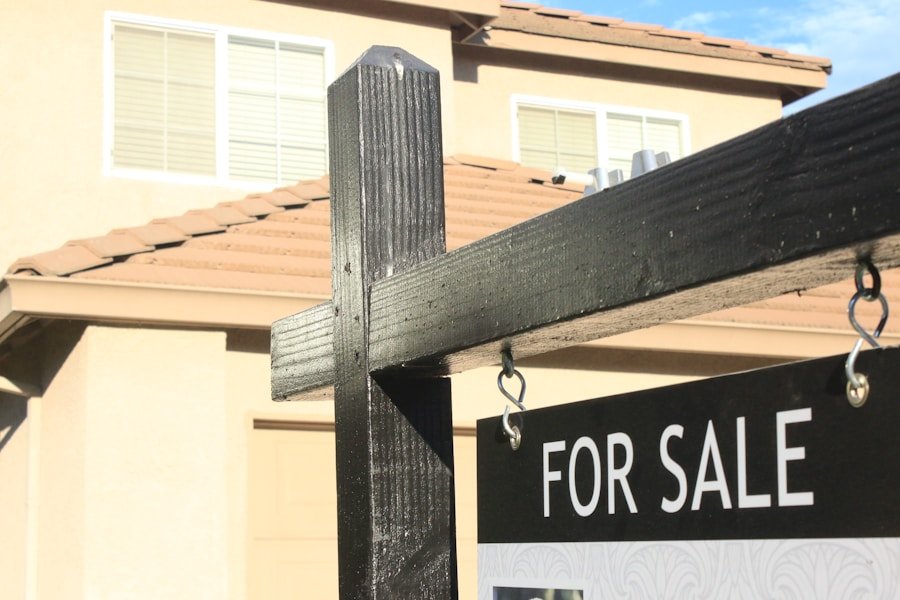
Preparing your home for sale involves more than just cleaning and decluttering; it requires a strategic approach to enhance its appeal to potential buyers. First impressions are crucial, so sellers should focus on curb appeal by ensuring that the exterior of the home is well-maintained. This might include landscaping improvements, fresh paint on the front door, or even minor repairs to gutters and siding.
A welcoming exterior can set a positive tone for showings and open houses. Inside the home, sellers should consider staging their space to highlight its best features. This can involve rearranging furniture to create a more open and inviting layout or even renting furniture to showcase how rooms can be utilized effectively.
Neutral colors on walls and decor can help potential buyers envision themselves living in the space. Additionally, addressing any necessary repairs—such as fixing leaky faucets or replacing worn-out flooring—can prevent buyers from being deterred by issues that may seem minor but could raise red flags about the overall condition of the home.
Effective marketing and advertising are essential components of a successful home sale. In today’s digital age, online listings play a pivotal role in attracting potential buyers. High-quality photographs that showcase the home’s best features are crucial; homes with professional photography tend to receive significantly more views than those with amateur images.
Virtual tours and video walkthroughs have also gained popularity, allowing buyers to explore properties from the comfort of their own homes. In addition to online listings, traditional marketing methods should not be overlooked. Open houses can provide an opportunity for potential buyers to experience the home firsthand and ask questions in real-time.
Flyers, brochures, and signage in the neighborhood can also help generate interest among local buyers. Collaborating with a real estate agent who has a strong marketing strategy can amplify these efforts, as they often have access to multiple listing services (MLS) and established networks that can further promote the property.
Once offers start coming in, sellers must navigate the negotiation process with care. It’s essential to evaluate each offer not just based on price but also on terms such as contingencies, closing timelines, and financing methods. A higher offer may come with contingencies that could complicate or delay the sale, while a lower offer might be more straightforward and appealing if it comes from a motivated buyer with pre-approved financing.
Effective negotiation requires clear communication and sometimes compromise. Sellers should be prepared to counteroffer or negotiate terms that align with their goals while remaining flexible enough to accommodate reasonable requests from buyers. Once an agreement is reached, both parties will enter into a purchase agreement that outlines all terms of the sale.
The closing process then involves various steps including inspections, appraisals, and finalizing financing arrangements before transferring ownership officially.

Engaging a real estate agent can significantly streamline the selling process. Agents bring expertise in pricing strategies, marketing techniques, and negotiation tactics that can enhance a seller’s chances of achieving a successful sale. They have access to comprehensive market data and can provide insights into local trends that may affect pricing and buyer interest.
Moreover, agents handle much of the paperwork involved in selling a home, which can alleviate stress for sellers who may not be familiar with legal requirements. Choosing the right agent is crucial; sellers should look for someone with a proven track record in their specific market segment. Interviewing multiple agents can help identify one whose approach aligns with the seller’s goals.
Additionally, other professionals such as real estate attorneys or home inspectors may be beneficial during the selling process. An attorney can help navigate legal complexities while an inspector can identify potential issues that could arise during buyer inspections, allowing sellers to address them proactively.
While traditional methods of selling a home through real estate agents are common, alternative selling options have gained traction in recent years. One such option is selling directly to cash buyers or investors who are often willing to purchase homes as-is, providing sellers with quick cash offers without the need for repairs or extensive marketing efforts. This route can be particularly appealing for those facing time constraints or financial difficulties.
Another alternative is utilizing online platforms that facilitate home sales without traditional agents. These platforms often provide tools for pricing homes accurately and connecting sellers directly with buyers. However, while these options may offer convenience and speed, sellers should carefully weigh potential drawbacks such as lower sale prices or limited exposure compared to traditional marketing methods.
To ensure a smooth home-selling experience, sellers should remain organized throughout the process. Keeping track of important documents such as title deeds, repair records, and disclosures can simplify negotiations and closing procedures. Additionally, maintaining open lines of communication with all parties involved—including agents, buyers, and legal professionals—can help address any issues promptly.
Timing can also play a significant role in achieving a successful sale. Understanding seasonal trends in real estate can help sellers choose optimal times to list their homes; for instance, spring often sees increased buyer activity due to favorable weather conditions and family relocations coinciding with school schedules. Finally, being flexible with showings and open houses can increase visibility and attract more potential buyers, ultimately leading to a successful sale at a desirable price point.
If you are considering selling your home for cash, you may also be interested in reading about the current state of the mortgage market. A recent article on mortgage competition discusses how rates are expected to change in the near future, which could impact your decision to sell. Stay informed about the housing market and make the best choice for your financial future.