
Preparing your home for sale is a critical step that can significantly influence the outcome of your selling experience. The first impression is often the most lasting, and potential buyers will form their opinions within moments of stepping through the door. Therefore, it is essential to create an inviting atmosphere that highlights your home’s best features.
Start by decluttering each room, removing personal items, and minimizing excess furniture. This not only makes the space appear larger but also allows buyers to envision themselves living in the home. Consider renting a storage unit for items that you don’t need immediately, such as seasonal decorations or extra furniture.
In addition to decluttering, enhancing your home’s curb appeal is vital. The exterior is the first thing potential buyers will see, so investing time in landscaping can pay off significantly. Mow the lawn, trim hedges, and plant colorful flowers to create an inviting entrance.
A fresh coat of paint on the front door can also make a substantial difference. Furthermore, ensure that walkways are clear and well-maintained, and consider power washing the exterior to remove dirt and grime. These small yet impactful changes can create a welcoming environment that entices buyers to explore further.
To determine an appropriate price, start by conducting a comparative market analysis (CMA). This involves examining recent sales of similar properties in your neighborhood, taking into account factors such as size, condition, and location. Real estate websites can provide valuable data, but consulting with a local real estate agent can offer insights that online tools may overlook.
Another factor to consider is the current market conditions. In a seller’s market, where demand exceeds supply, you may have more flexibility in pricing. Conversely, in a buyer’s market, where there are more homes available than buyers, pricing competitively becomes essential to attract interest.
Additionally, consider any unique features or upgrades your home may have that could justify a higher price point. For instance, if you have recently renovated the kitchen or added energy-efficient appliances, these enhancements can be leveraged to support a higher asking price.

Effective marketing is key to attracting potential buyers and generating interest in your property. In today’s digital age, online listings play a significant role in reaching a broad audience. High-quality photographs are essential; they should showcase your home in its best light, highlighting its unique features and spaciousness.
Consider hiring a professional photographer who specializes in real estate to capture images that will stand out in listings. Additionally, virtual tours and video walkthroughs have become increasingly popular, allowing potential buyers to explore your home from the comfort of their own devices. Beyond online listings, traditional marketing methods should not be overlooked.
Hosting open houses can create buzz and allow interested buyers to experience your home firsthand. Collaborating with your real estate agent to promote these events through social media channels and local community boards can enhance visibility. Furthermore, consider creating eye-catching flyers or brochures that detail your home’s features and neighborhood amenities.
The combination of digital and traditional marketing strategies can maximize exposure and attract a diverse pool of potential buyers.
Before listing your home, it is crucial to address any necessary repairs and updates that could deter potential buyers. A well-maintained property not only attracts more interest but can also command a higher selling price. Start by conducting a thorough inspection of your home to identify any issues that need attention.
Common areas to focus on include plumbing leaks, electrical problems, and worn-out flooring. Even minor repairs, such as fixing squeaky doors or replacing broken tiles, can make a significant difference in how buyers perceive your home. In addition to repairs, consider making strategic updates that can enhance your home’s appeal.
Kitchen and bathroom remodels often yield high returns on investment; even small changes like updating fixtures or adding a fresh coat of paint can modernize these spaces without breaking the bank. Energy-efficient upgrades, such as new windows or insulation, can also be attractive selling points for environmentally conscious buyers. By investing time and resources into repairs and updates, you not only improve your home’s marketability but also create an environment that potential buyers will find appealing.
Staging your home is an art that involves arranging furniture and decor to showcase the property’s strengths while minimizing its weaknesses. The goal is to create an inviting atmosphere that allows potential buyers to envision themselves living in the space. Start by removing personal items and family photos; this helps buyers focus on the home itself rather than being distracted by your personal history.
Consider hiring a professional stager who can provide expert advice on layout and design choices that will appeal to a broad audience. When staging each room, think about how to highlight its purpose while maximizing space. For example, in the living room, arrange furniture to create conversation areas while ensuring pathways are clear for easy movement.
In bedrooms, use neutral bedding and minimal decor to create a serene environment that feels welcoming. Additionally, consider adding fresh flowers or plants to bring life into the space. The right staging can evoke emotions in potential buyers and help them imagine their future in your home.
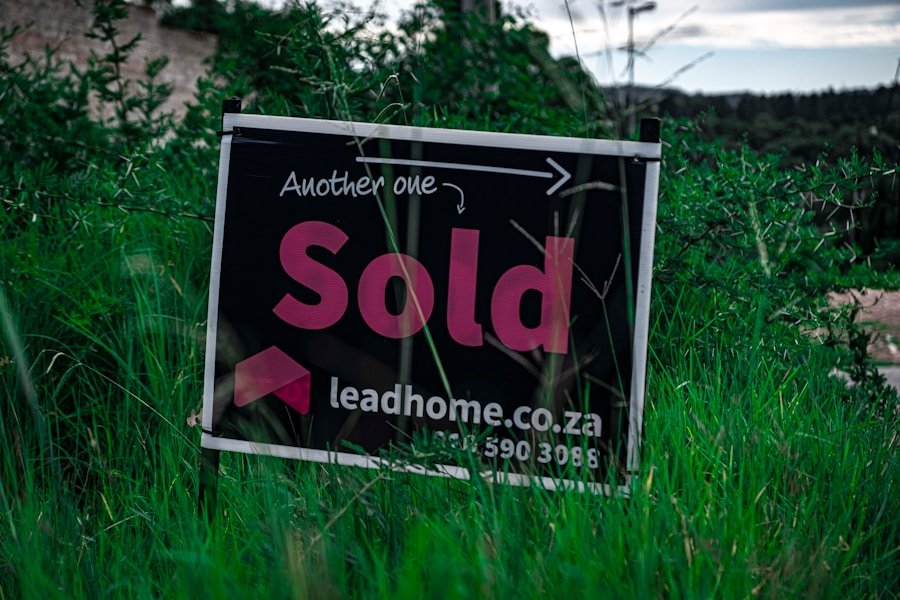
A knowledgeable agent brings expertise in pricing strategies, marketing techniques, and negotiation tactics that can streamline the sale of your home. When selecting an agent, look for someone with a proven track record in your local market who understands current trends and buyer preferences.
Personal referrals from friends or family can also be valuable in finding an agent who aligns with your needs. Once you’ve chosen an agent, maintain open communication throughout the process. Discuss your goals and expectations clearly so that they can tailor their approach accordingly.
Your agent will handle various tasks such as listing your property on multiple platforms, coordinating showings, and managing inquiries from potential buyers. Their experience in navigating complex paperwork and legal requirements can alleviate much of the stress associated with selling a home. By working collaboratively with your agent, you can ensure that you are well-informed at every stage of the selling process.
Negotiating offers is often one of the most challenging aspects of selling a home but is also where skilled agents can provide invaluable support. Once you receive an offer, take time to review it carefully with your agent before responding. Consider not only the offered price but also other terms such as contingencies, closing dates, and any requests for repairs or concessions.
Understanding what is most important to you—whether it’s a quick sale or maximizing profit—will guide your negotiation strategy. When countering an offer, be prepared for back-and-forth discussions with potential buyers. It’s essential to remain flexible while also standing firm on key points that matter most to you.
Your agent can help craft a counteroffer that addresses both parties’ interests while keeping negotiations amicable. Remember that emotional responses can cloud judgment; maintaining a professional demeanor throughout negotiations will facilitate smoother discussions and increase the likelihood of reaching an agreement that satisfies both parties.
The closing process marks the final step in selling your home and involves several critical tasks that must be completed before ownership officially transfers to the buyer. Once an agreement has been reached on price and terms, both parties will engage in due diligence activities such as inspections and appraisals. These steps are crucial for ensuring that there are no hidden issues with the property that could affect its value or safety.
As closing day approaches, it’s essential to prepare for various financial aspects involved in the transaction. This includes understanding closing costs—fees associated with finalizing the sale—which may include title insurance, attorney fees, and transfer taxes. Your real estate agent will guide you through this process and help ensure all necessary documents are prepared accurately and submitted on time.
On closing day itself, both parties will meet at a designated location to sign paperwork officially transferring ownership of the property. This moment signifies not just the end of one chapter but also the beginning of another for both sellers and buyers alike.
If you are considering selling your home, you may find this article on a comprehensive guide to selling your property in London helpful. It provides valuable information on the process of selling a property in the bustling city. Additionally, you may also want to explore the benefits of selling your house for cash, as discussed in this article on the benefits of selling your house for cash. Understanding the advantages of this option can help you make an informed decision. Furthermore, if you are looking to secure a favorable mortgage rate, you may be interested in reading about how one lender is offering rates below 4% in this article on mortgage rate hopes as one lender offers below 4%.